Ten Twenty-Minute Missions for Dark November Afternoons
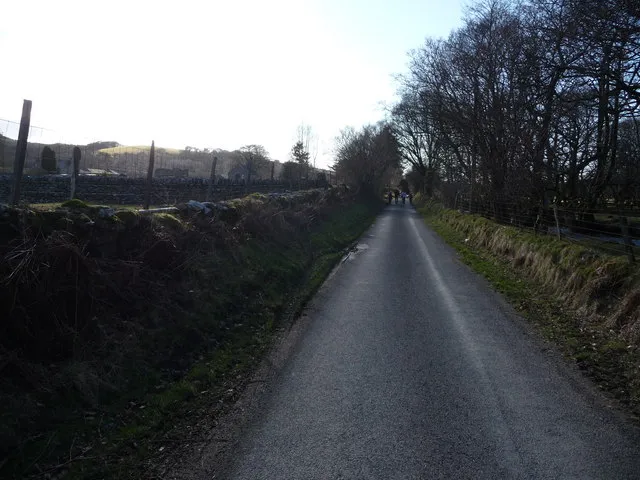
Photo: Jeremy Bolwell , CC BY-SA 2.0, via Wikimedia Commons
November has a habit of shrinking the day before you've even found the matching gloves. School finishes, the light starts sliding away, and suddenly the choice is between a screen and a proper outing that needs a packed bag, a parking app and a small mortgage. But outdoor play doesn't have to be a whole afternoon. Twenty minutes on the pavement, in the park or even in your own front garden still counts. Here are ten micro-adventures for the after-school gap — the sort you can start before the kettle goes on and finish before tea.
The micro-adventure rules
Keep it small, keep it warm, and keep it optional. The aim is a bit of fresh air, a bit of nonsense and a bit of movement, not a full-scale expedition. Put a torch by the door, keep a spare pair of gloves in the car, and agree a turnaround point before you set off. If it's tipping down, choose a mission that works under a porch or in a covered doorway. And if your child is more interested in stomping on one puddle for twenty minutes than completing the mission, that's still a win.
1. The puddle-map walk
Kit: wellies, waterproof coat, a phone for photos. Mission: find five different puddles and give them names — Squelchy Sid, Lake Sidewalk, The Tiny Ocean. For older children, draw a rough map when you get home. Safety: avoid fast-moving water, flooded roads and anywhere near a riverbank after heavy rain. Energy burn: excellent, especially if you add a rule that every puddle must be crossed.
2. Leaf-colour hunt
Kit: a small bag or egg box, and a colour chart drawn with felt tips. Mission: find six leaves that match six different shades, from rusty orange to sludgy brown. Safety: wash hands afterwards and avoid anything spiky or unknown. Energy burn: moderate — but the crouching, comparing and negotiating adds up.
3. Doorstep obstacle course
Kit: chalk, two cushions, a skipping rope, a bucket. Mission: set a tiny course along the pavement or in the garden: hop over the rope, weave round the bucket, jump from cushion to cushion. Time each run and let them redesign it. Safety: keep it clear of the road, wet leaves and other people's driveways. Energy burn: surprisingly high for something that takes four minutes to set up.
4. Torchlit garden bingo
Kit: two torches, a printed 3x3 grid of garden things — a leaf, a stone, a plant pot, a snail, a fence panel. Mission: shine the torch around the garden and tick off what you spot. Safety: stay in the garden, check for broken glass, and keep torches pointed low. Energy burn: low to moderate, but it gets everyone outside when the dark feels like a barrier.
5. The five-senses walk
Kit: none. Mission: notice one thing you can see, hear, smell, touch and — only if it's safe and food is allowed — taste on the walk. Safety: no tasting anything found outdoors unless an adult has approved it. Energy burn: gentle, but brilliant for winding down after a noisy school day.
6. Number-plate safari
Kit: a notebook and pencil. Mission: spot letters of the alphabet on number plates, or collect ten different colours of car. Safety: stay on the pavement, hold hands near roads, and don't encourage staring into driveways. Energy burn: low, but the walking adds up if you loop the block.
7. Stick-and-stone potion
Kit: a jam jar, a stick for stirring, and a strictly no-picking rule. Mission: make a muddy potion from fallen leaves, stones and rainwater. Name it, label it, leave it outside. Safety: gloves for mucky jobs, handwashing after, and no drinking the potion. Energy burn: moderate — stirring mud is strangely tiring.
8. The ten-minute tidy-up race
Kit: a bin bag and gloves. Mission: see how many pieces of litter you can safely pick up from the pavement or park edge in ten minutes. Safety: adult supervision, no sharp items, no going near roads or water. Energy burn: high if you make it a gentle race, and it gives the walk a purpose.
9. Cloud-and-contrail count
Kit: a warm coat and somewhere to lie or lean. Mission: count how many clouds you can see, then decide what shapes they make. In November you might get one big grey blanket — that's still a result. Safety: choose a dry, safe spot away from traffic. Energy burn: low, but it's a good bridge between school and home.
10. The return-leg relay
Kit: nothing but a turnaround point. Mission: walk to the corner, then come home using a silly relay: ten giant steps, five frog hops, a slow-motion walk, a normal walk. Safety: keep hops and giant steps away from kerbs and busy pavements. Energy burn: high, and it turns the journey home into the game.
Make it a habit, not a performance
You don't need a kit bag or a printed itinerary. A torch, a coat and a twenty-minute promise are enough. Try one mission a week, let the children invent new rules, and don't worry if it ends early because someone needs the loo. The point is not to prove that November is secretly lovely. The point is to get out, move a bit, and come back in with rosy cheeks and something to talk about before tea.